I Passed! Here is Exactly What Happens Inside the Interview Room (A Real Walkthrough)
[Intro: The Morning of the Interview]
You’ve memorized the 128 questions. You have your documents. But you are still shaking. Why? Because you don’t know what the room looks like or how the officer will act.
I passed my interview yesterday at the [City Name] field office. To help calm your nerves, here is a play-by-play breakdown of the actual experience, so nothing surprises you on your big day.
Step 1: Arrival & Security (30 mins before)
You arrive. There is a metal detector like at the airport.
Tip: Do not bring scissors or even a large nail clipper. Leave your phone ON, but on silent. You might need to show your appointment letter on your phone screen.
Feeling: High tension. Everyone looks nervous.
Step 2: The Waiting Room (The Longest 20 mins)
You sit and wait for your name or number. This is the hardest part mentally. You see people coming out—some smiling (passed), some crying (failed).
Real Advice: Do not frantically read your notes here. It makes you more nervous. Close your eyes and breathe.
Step 3: "The Call" & The Walk (The Test Begins HERE)
A door opens. An officer calls, "Mr. Kim?"
⚠️ Crucial Moment: The test starts NOW.
Small Talk: As you walk to the office, they will ask: "How are you doing?" or "Did you find parking okay?"
The Trap: This is not just politeness. They are testing your English comprehension. Answer in full sentences: "I am doing well, thank you. The traffic was light."
Step 4: The Oath & The Setup
You enter a small office. There is a desk and a plexiglass divider.
"Please remain standing."
"Raise your right hand. Do you swear to tell the truth...?"
"I do."
The Unexpected Hurdle: My officer spoke very softly and had a mask on. I couldn't see his lips moving. This is where many people panic.
Step 5: The Civics Test (The "Oral" Exam)
He didn't look at me. He looked at his computer and asked the first question immediately.
"What is the supreme law of the land?" (Answered immediately)
"Name one branch or part of the government."
💡 How I Survived the Speed: He spoke much faster than the YouTube videos I watched. Honestly, if I had only studied by reading books, I would have asked him to repeat every question. But I had trained with Civics Audio's "Simulation Mode" at 1.2x speed. Because I was used to the app's "no-text, audio-only" pressure, the officer’s speed felt manageable. My brain was trained to catch the keywords instantly.
He asked 6 questions. I got 6 right. He stopped. "You passed the Civics portion."
Step 6: Reading & Writing
Reading: A sentence appears on a tablet. "Who was the first President?" (You read it out loud).
Writing: He says a sentence. "Washington was the first President." (You write it on the tablet with a stylus).
Note: It’s simple vocabulary. Don't worry about this part.
Step 7: The N-400 Review (The Final Boss)
This was actually longer than the Civics test. He went through my application asking:
"Have you ever claimed to be a U.S. citizen?" (NO)
"Do you owe any overdue taxes?" (NO)
Definition Check: Suddenly, he looked up. "What does 'owe taxes' mean?"
My Answer: "It means I didn't pay money to the government."
Officer: (Nods) "Good."
Step 8: The Result
He typed for a minute (silence is scary, but normal). Then he handed me a piece of paper. "Congratulations. Your application has been recommended for approval."
The relief you feel in that moment is indescribable.
[Summary: 3 Things I Wish I Knew Before]
Small talk is real. Practice answering "How are you?" confidently.
Officers are human. They might be tired, fast, or quiet. Don't expect a robot.
Train your EARS, not your eyes. The scariest part was not seeing the questions. If you are still studying with paper flashcards, STOP. You need to simulate the "Blind Listening" experience.
I used the Civics Audio App to practice the 128 questions while driving. It was the only thing that prepared me for the speed and the oral format.
Good luck! See you at the Oath Ceremony.
Available for free now!
Related Posts
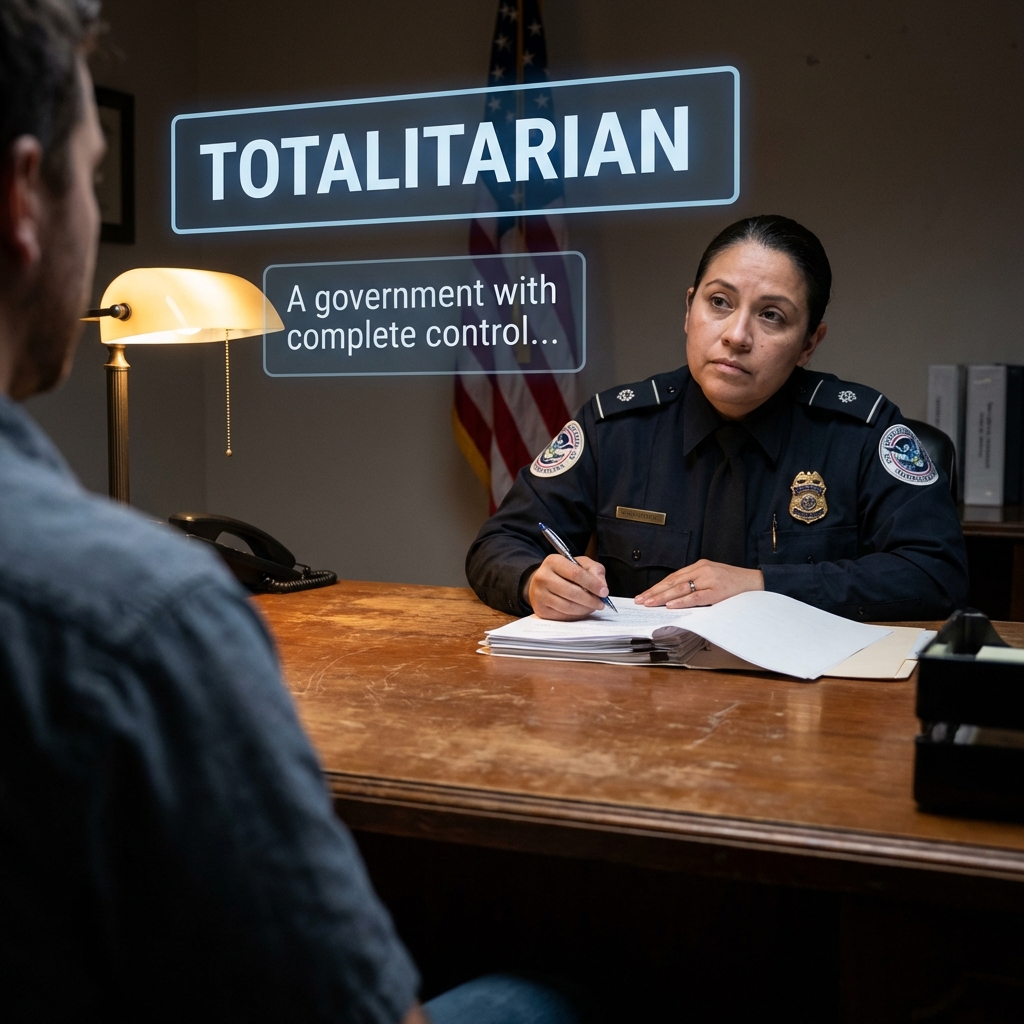
"I Memorized All 100 Questions..." Why Smart Professionals Fail the Interview (The N-400 Part 12 Trap)
Memorizing 100 Civics questions isn't enough. Discover the hidden minefields of the N-400 Part 12 definitions and small talk that cause professionals to fail.
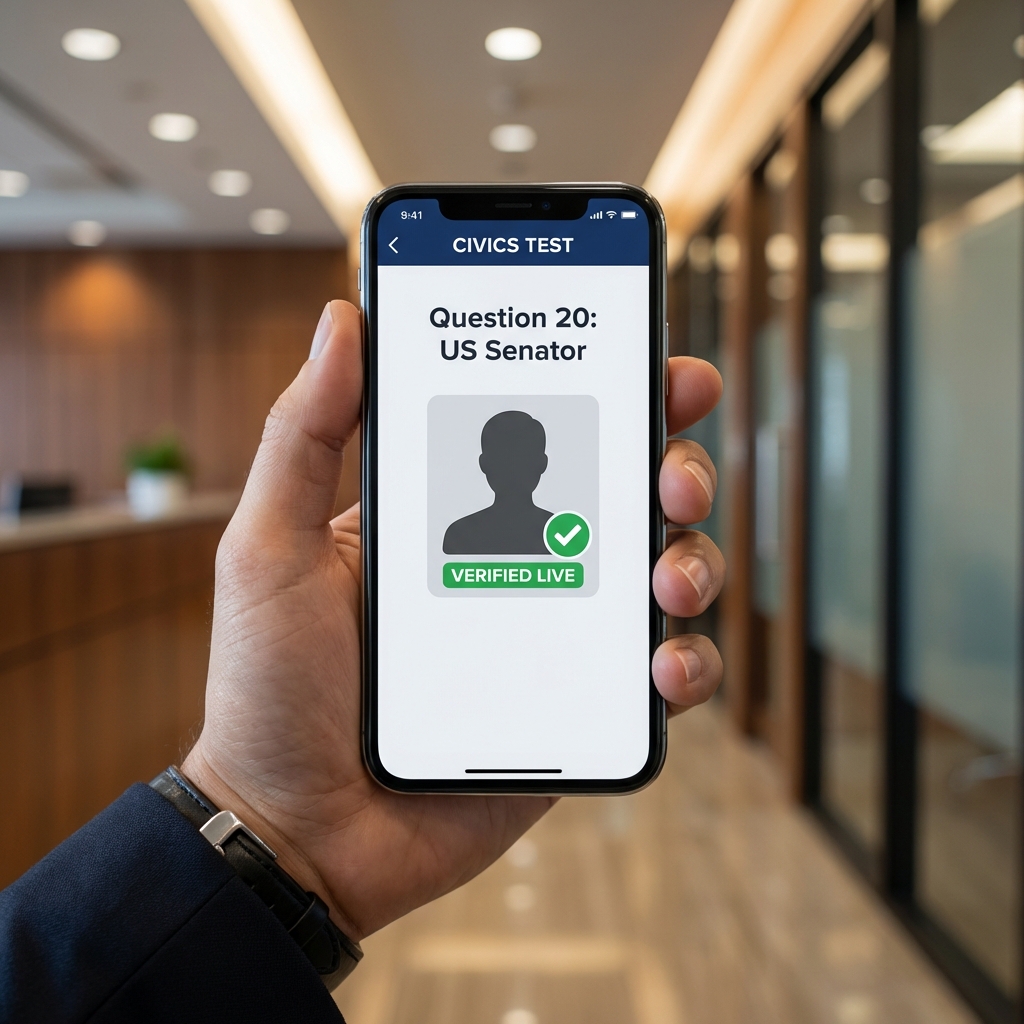
Why Googling Your Senator Can Fail Your Citizenship Interview
The Hidden Trap of Questions #20 & #43: Why trusting Google for dynamic Civics answers can lead to failure, and how to verify accurate data.

Saved Lives Today? Now Secure Your American Dream.
For RNs, CNAs, and Caregivers working 12-hour shifts: How to pass your US Citizenship test without opening a book.

Scared of Losing Your $760 Application Fee? A Guide for Older Applicants
Why your memory isn't the problem, and how to pass the US Naturalization Test without the stress. Protect your investment.

How to Get Your US Citizenship Without Stopping Your Truck (Throw Away the Books)
For the OTR drivers, delivery pros, and road warriors: Turn your miles into a passport.

Why a $150k+ Engineer Should Never Sit Down to "Study" for US Citizenship
A guide to passing the Naturalization Test using only your commute time. Optimized for busy professionals.
How to Master "Principles of American Government" Without Rote Memorization
Why 90% of applicants struggle with Questions 1-15, and the "Keyword Method" to fix it. A strategic guide to understanding the logic behind the questions.
"I'm Panicking!" – Top 10 Honest Questions About the 2025 Civics Test (FAQ)
Real struggles from 2025 applicants and how to solve them. The USCIS Civics Test isn't just a written exam; it is an Oral Interview.
Interview in 3 Days? How to Memorize 128 Questions Fast (The "Weakness Loop" Method)
Don't panic. You don't need to study all 128 questions. Here is the secret to cutting your study time in half.
You Have the List of 128 Questions. But Can You "Hear" Them?
Stop studying the text list. The USCIS Citizenship Test is an Oral Interview, not a reading test.